

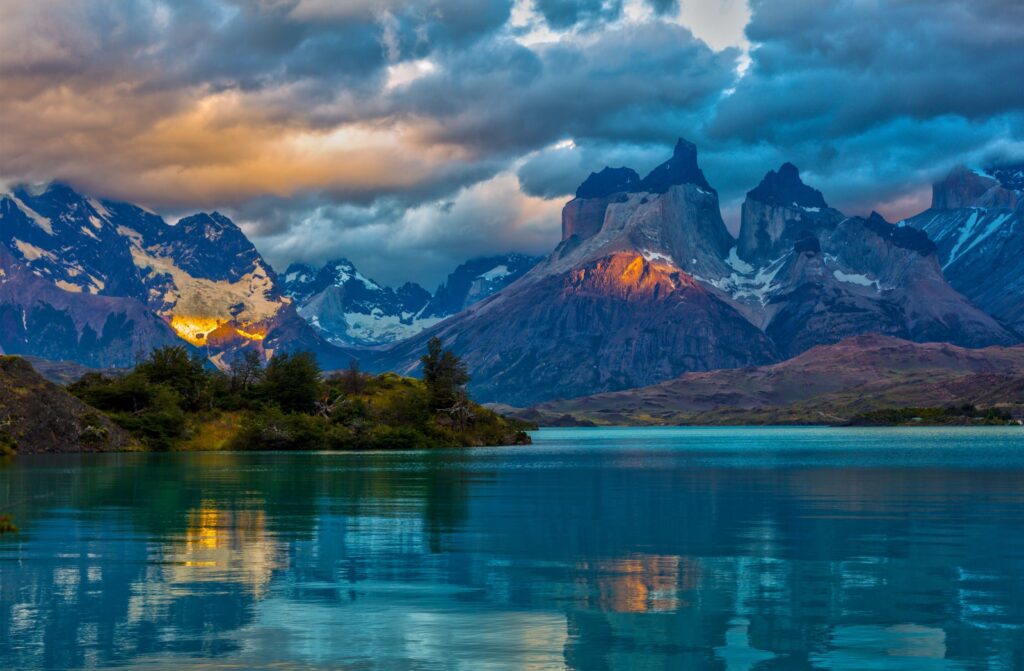
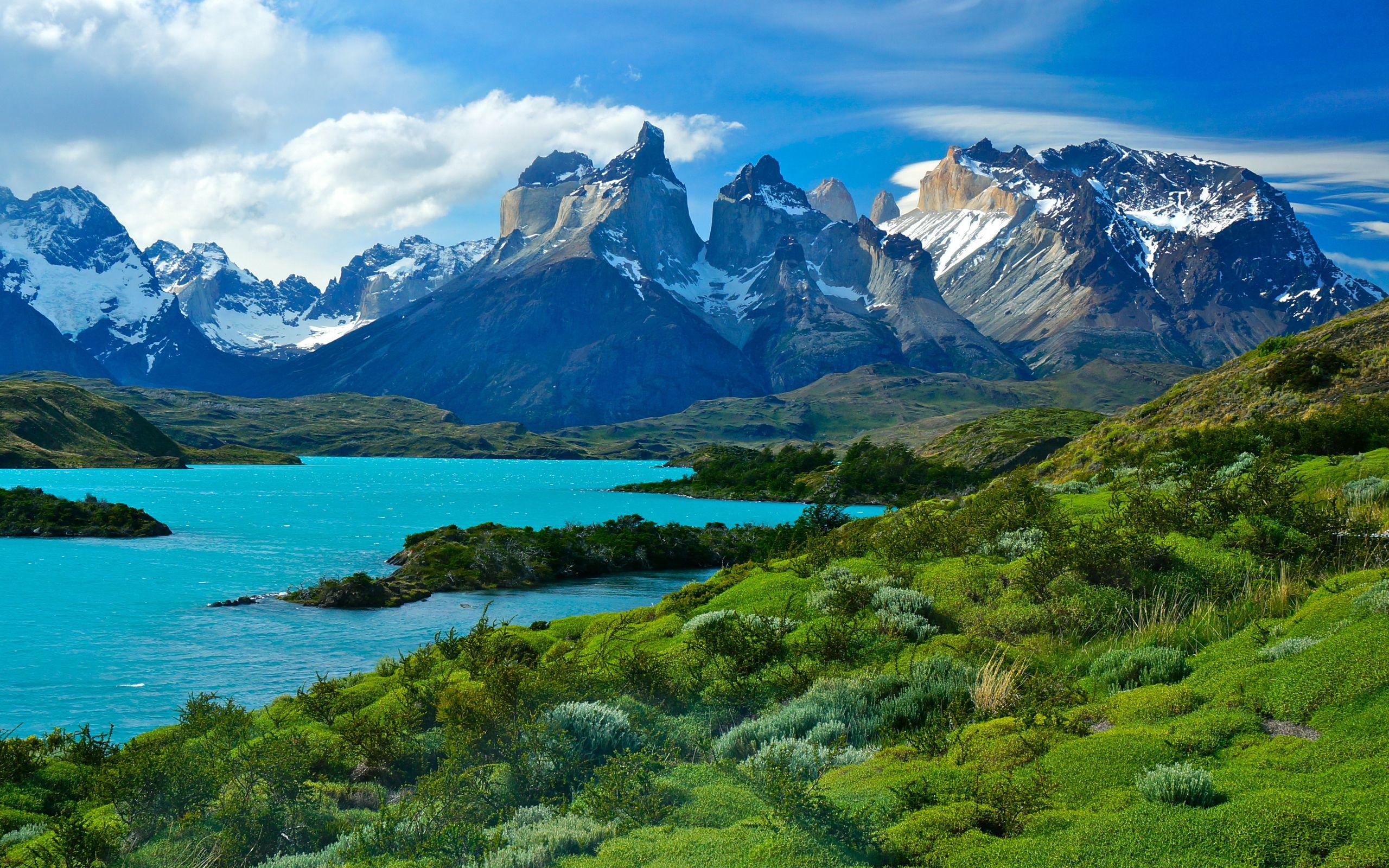
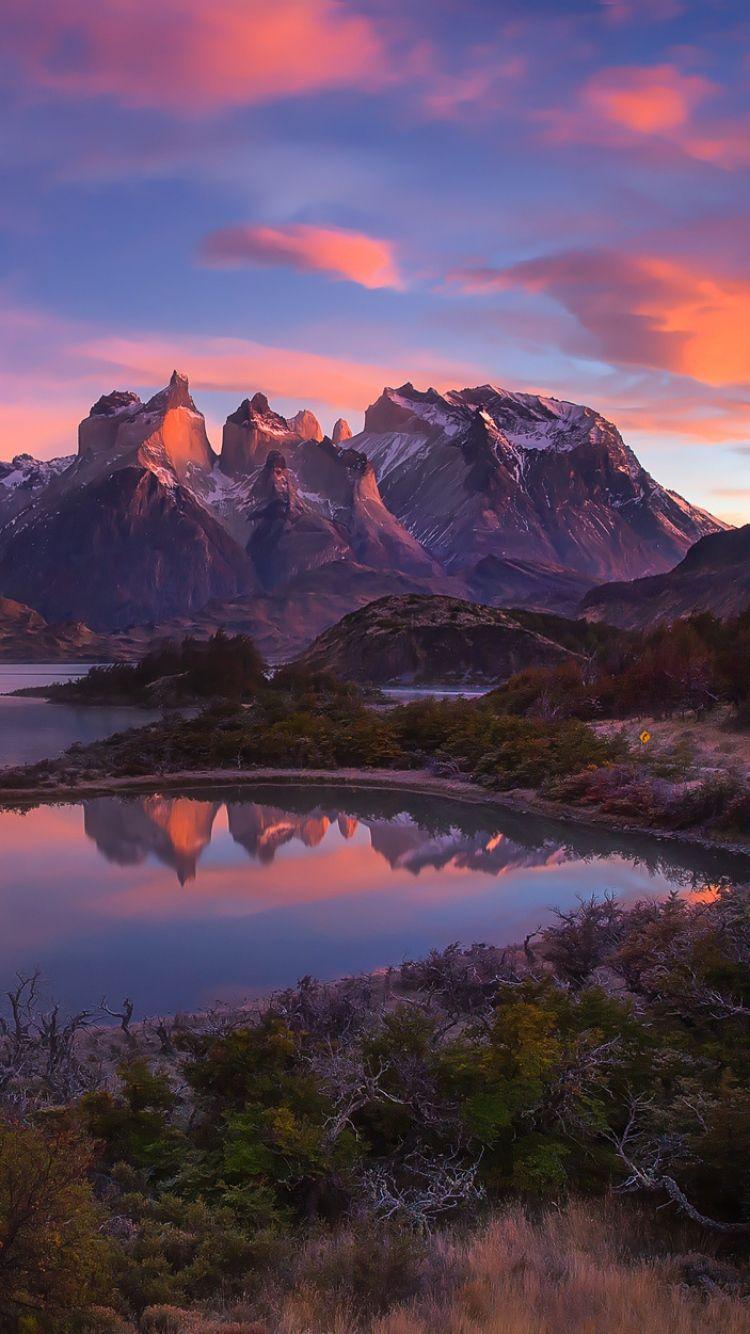
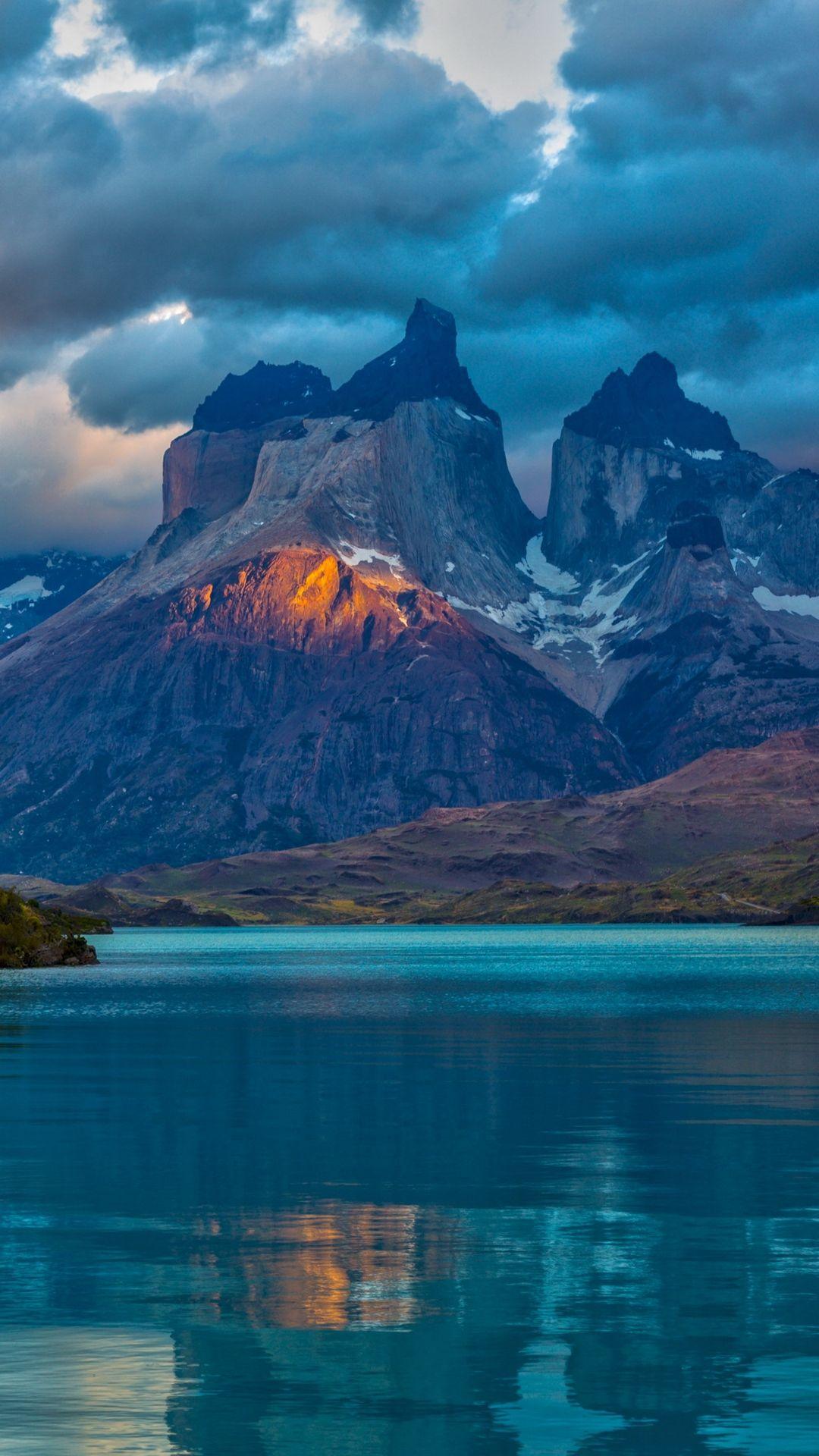
Patagonia Calling: Your Epic Adventure Awaits (and How to Plan It!)
Okay, buckle up, adventure travelers! Get ready for the ultimate deep dive into planning your dream trip to Patagonia. This isn't just a blog post; it's your comprehensive guide, packed with research, expert insights, and actionable tips to make your Patagonian adventure unforgettable. Whether you're a seasoned hiker, a trail running enthusiast, or simply seeking breathtaking landscapes, we've got you covered.
I. Understanding Patagonia’s Tourism Landscape: A Statistical Overview
Before diving into itineraries and budgets, let's understand the bigger picture. Patagonia’s tourism sector has shown remarkable resilience and growth.
- Growth and Recovery: Argentina averaged 693,290 visitors per month between 2004 and 2023, peaking in March 2015. After the pandemic slump, a 33.5% increase in January 2024 indicates impressive recovery.
- Where Are They Coming From? Europeans lead with 73,100 visitors, followed by the U.S., Canada, and Brazil.
- Economic Impact: The travel sector contributed $46.4 billion to Argentina’s GDP pre-pandemic.
- Regional Focus: Nearly one million overnight visitors in Argentine Patagonia in 2022, emphasizing the need for early bookings.
II. Budgeting for Patagonia: From Backpacking to Luxury
Patagonia can accommodate any budget with smart planning.
- Budget Travel: Around $50/day with camping, cooking, and public transportation.
- Mid-Range Travel: $100–$110/day for comfortable private rooms and local transit.
- Luxury Stays: Tierra Patagonia offers rooms starting around $1,840 per night.
III. Accommodation Options: From Yurts to Estancias
Patagonia offers diverse lodging types:
- Luxury Lodges: Tierra Patagonia and Explora Torres del Paine for unparalleled views.
- Eco-Lodges: EcoCamp Patagonia and Patagonia Camp focus on sustainability.
- Estancias: Experience gaucho culture at Estancia Cerro Guido.
- Budget: America del Sur Hostel and Penthouse 1004 for social travelers.
- Camping: Along the W Trek—affordable and scenic.
IV. Timing is Everything: Optimal Seasons and Duration
- Summer (Dec–Feb): Warm but windy and crowded.
- Spring (Sep–Nov): Cooler, fewer tourists, lush scenery.
- Autumn (Mar–May): Ideal balance of weather and tranquility.
- Winter (Jun–Aug): Great for snow and solitude.
V. Staying Connected in Patagonia
Expect limited connectivity outside towns like Puerto Natales and El Calafate. Prepare accordingly:
- Download Maps.Me for offline navigation.
- Carry a satellite phone for emergencies.
- Learn basic Spanish to communicate with locals.
VI. Adventure Awaits: Things to Do
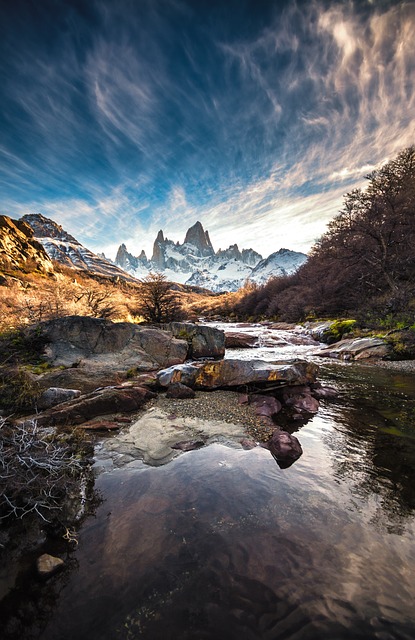
- Hiking: W Trek and Fitz Roy hikes are world-renowned.
- Climbing, Kayaking, Horseback Riding, and Fishing: options abound.
- Wildlife Viewing: Spot condors, guanacos, and pumas.
VII. Responsible Travel: Sustainability Matters
- Support eco-certified lodges like EcoCamp and Las Torres Patagonia.
- Follow Leave-No-Trace principles.
- Engage with local communities responsibly.
VIII. Expert Insights and Future Trends
- Sustainability and authenticity are guiding modern travel trends.
- Expect more customizable, small-group tours.
- Autumn is increasingly favored for optimal conditions.
IX. Booking Strategies and Savings
- Book early—Vertice Patagonia opens reservations months ahead.
- Take advantage of off-season discounts.
- Invest in travel insurance; Patagonia is remote and unpredictable.
